
led glass mirror
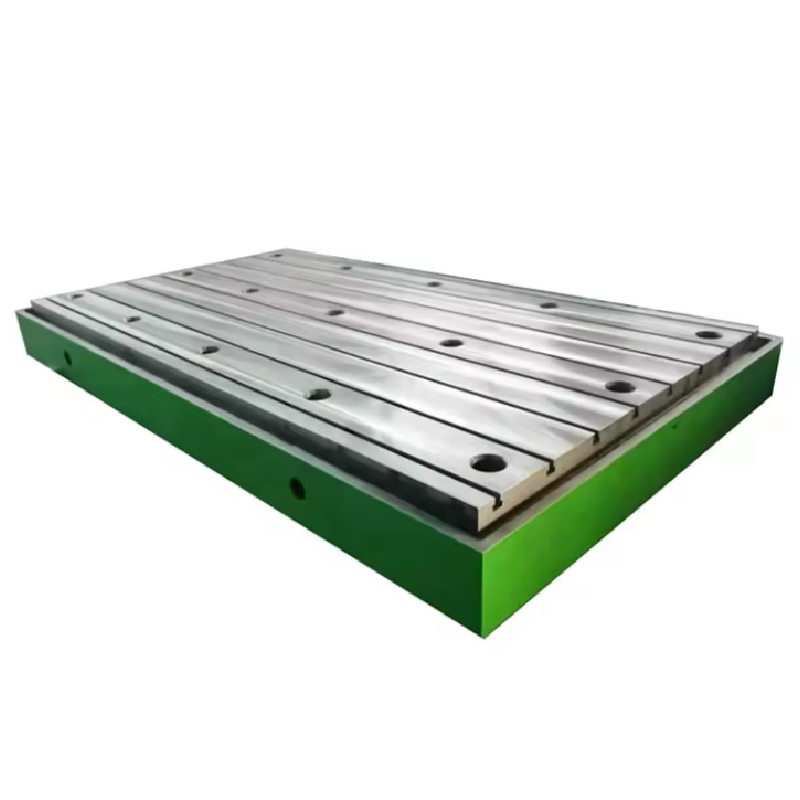
In industries where accuracy is paramount, having the right tools for measurement and inspection is a must. The measurement platform , inspection platform , and platform inspection process are the cornerstones of quality control and precision. Whether you're in manufacturing, engineering, or construction, these platforms offer the essential stability and precision needed for accurate assessments. Let’s dive into the importance of these platforms and how they contribute to the success of your projects. Measurement Platform: The Foundation of Accuracy A measurement platform is a key component for ensuring that measurements are accurate, reliable, and precise. Made from durable materials such as granite or marble, these platforms offer a stable surface for measuring and inspecting components during production processes. Measurement platforms are used extensively in industries like automotive, aerospace, and electronics, where even the smallest deviation in dimensions can have significant consequences. The importance of a measurement platform cannot be overstated. By providing a flat, stable surface, these platforms eliminate the errors that can occur due to surface irregularities. The precision offered by a measurement platform is especially crucial in environments where high tolerances are required. Whether you're measuring the dimensions of a mechanical part or calibrating sophisticated instruments, the measurement platform ensures that all readings are consistent and accurate. Furthermore, the material choice for measurement platforms plays a key role in maintaining precision over time. High-quality materials, such as granite or synthetic stones, are often used for these platforms because they are resistant to wear, corrosion, and changes in temperature, allowing them to retain their flatness and stability for extended periods. Investing in a measurement platform is an investment in long-term accuracy and reliability. Inspection Platform: Ensuring Quality at Every Step An inspection platform is an essential tool for quality assurance across a wide range of industries. These platforms are designed to provide a precise, level surface for inspecting parts and assemblies to ensure they meet the required specifications. Inspection platforms are typically used in metrology labs, machine shops, and assembly lines, where consistent quality control is needed. Unlike measurement platforms , which focus primarily on the accuracy of measurements, inspection platforms are often integrated with measuring instruments such as calipers, micrometers, or laser scanning systems. This allows for comprehensive inspection of parts, ensuring that they not only meet dimensional specifications but also functional requirements. For example, in the automotive industry, an inspection platform might be used to check the tolerance of engine parts to ensure they fit together correctly. The stability of the inspection platform is critical for ensuring that the inspection process is carried out with the highest degree of accuracy. Any slight shift or vibration during the inspection process can lead to errors, so having a solid, vibration-resistant surface is vital. High-quality materials like granite or cast iron are typically used for inspection platforms due to their ability to absorb vibrations and maintain a stable, flat surface. Platform Inspection: A Crucial Step in the Manufacturing Process Platform inspection is an integral part of the manufacturing process, particularly in industries that rely heavily on precision and tight tolerances. The platform inspection process involves verifying that the platform itself is level and in good condition before performing any measurements or inspections. If the platform inspection reveals any imperfections or irregularities, it could affect the accuracy of all subsequent measurements and inspections. Before using a measurement platform or inspection platform , a thorough platform inspection is essential to ensure that there are no flaws or defects that could lead to inaccuracies. Common issues that are identified during platform inspections include surface scratches, cracks, or deviations from flatness. By regularly conducting platform inspections , businesses can ensure that their equipment maintains its performance and avoids costly errors. A detailed platform inspection also includes verifying the alignment of any measuring instruments or tools used in conjunction with the platform. This step ensures that all readings taken during the inspection process are accurate and reliable. For industries that rely on high-precision manufacturing, regular platform inspections are a key part of maintaining product quality and consistency. Benefits of High-Quality Measurement and Inspection Platforms Investing in high-quality measurement platforms , inspection platforms , and ensuring thorough platform inspection processes can bring significant benefits to your business. These platforms enhance operational efficiency by reducing the likelihood of errors and improving the overall accuracy of measurements. For industries like aerospace, automotive, or electronics manufacturing, where precision is critical, the impact of high-quality platforms can be immense. One of the primary benefits is the ability to perform consistent quality control. Inspection platforms provide a stable and reliable surface for verifying parts, ensuring that only those that meet the required specifications proceed through the production process. This reduces the risk of defective parts reaching customers, which in turn helps to maintain the company’s reputation for quality. Another key benefit is the longevity and durability of high-quality platforms. Materials like granite are highly resistant to wear, ensuring that they maintain their flatness and stability over time. Regular platform inspections can further extend the life of the equipment by identifying any potential issues early on. The result is a reduction in downtime and maintenance costs, allowing for more efficient operations. FAQs About Measurement and Inspection Platforms What is the difference between a measurement platform and an inspection platform? A measurement platform is primarily used to ensure accurate measurements of parts and components, while an inspection platform is used for the quality assurance process, often involving detailed checks for specific specifications and functionality. Why is platform inspection important? Platform inspection ensures that the surface is level and free of defects, which is critical for maintaining the accuracy of measurements and inspections. Regular inspections help to avoid costly errors and ensure high-quality standards. What materials are commonly used for measurement platforms and inspection platforms? Granite and cast iron are the most common materials used due to their durability, resistance to wear, and ability to maintain a stable and flat surface over time. How often should platform inspections be performed? Platform inspections should be performed regularly, especially if the platform is frequently used. The frequency can depend on the level of use, but conducting inspections every few months or after significant use is recommended. Where can I purchase high-quality measurement and inspection platforms? You can purchase premium measurement platforms , inspection platforms , and related equipment from reputable manufacturers and suppliers specializing in precision tools. Many suppliers offer custom solutions based on your specific requirements. Precision is key in any industry that values accuracy, and investing in high-quality measurement platforms , inspection platforms , and conducting thorough platform inspections is the first step toward achieving the highest standards. If you’re ready to enhance your manufacturing and inspection processes, visit our website to browse our selection of top-quality platforms and measurement tools.
about
led glass mirror
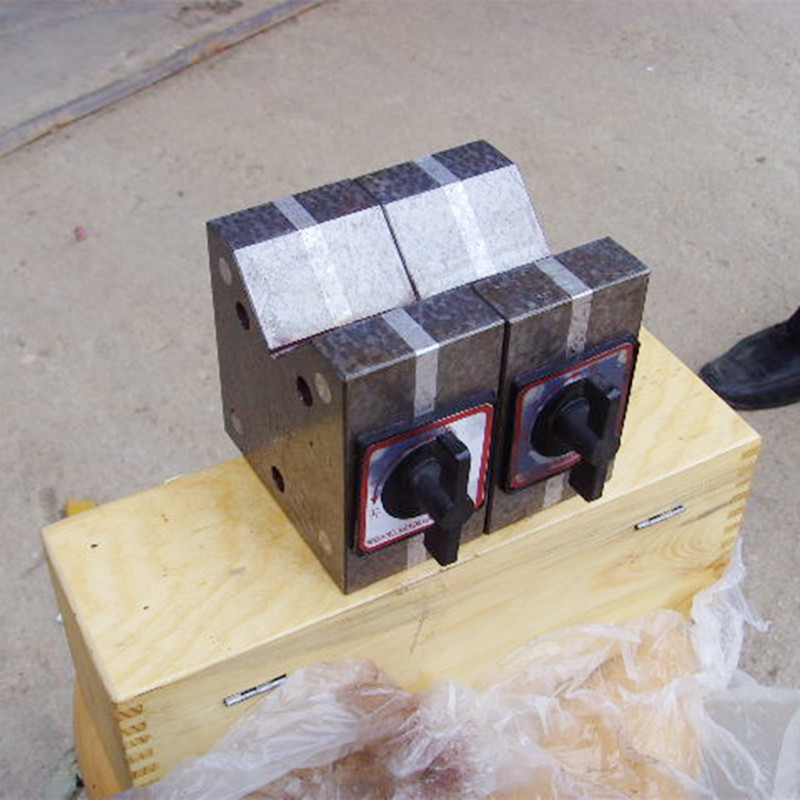
Understanding the Uses of Magnetic V Blocks Magnetic V blocks are essential tools in a wide array of machining, fabrication, and assembly processes. They combine the functionality of traditional V blocks, which are designed to hold cylindrical objects, with a powerful magnetic base that offers precision and stability. This article delves into the various applications, benefits, and considerations of using magnetic V blocks in different industries. What are Magnetic V Blocks? Magnetic V blocks are specialized devices that feature a unique V-shaped groove, enabling them to securely hold round or cylindrical workpieces. The magnetic base ensures that the block adheres firmly to the work surface, providing stability during machining or inspection processes. They are typically made from high-quality steel or cast iron, designed to endure rigorous mechanical operations. Applications in Machining and Fabrication 1. Precision Hold for Machining One of the primary uses of magnetic V blocks is in machining operations. They are instrumental in securely holding pieces while milling, drilling, or grinding. The magnetic grip allows for quick setup and repositioning, significantly reducing downtime and improving workflow. 2. Inspection and Measurement In quality control processes, magnetic V blocks are invaluable. They provide a stable platform for measuring instruments, ensuring that measurements are accurate and reliable. Whether you're using calipers, micrometers, or dial indicators, the secure hold reduces the risk of movement that could compromise data. 3. Welding Applications In welding, magnetic V blocks enable fabricators to position components accurately. The strong magnetic hold allows operators to concentrate on welding without worrying about misalignment, ensuring cleaner welds and stronger joints. This is particularly useful in pipe and tube fabrication, where precision is paramount. magnetic v block uses 4. General Assembly Operations In assembly lines, magnetic V blocks can assist in holding parts in place while they are fastened or connected. They streamline the assembly process, allowing for quick adjustments and reducing the chance of errors, particularly in high-volume manufacturing environments. Benefits of Using Magnetic V Blocks - Efficiency The magnetic feature allows for rapid setup and adjustments, saving valuable time in production processes. - Precision The stability provided by the magnetic hold enhances accuracy, leading to better quality outcomes in machining and assembly. - Versatility Magnetic V blocks can be used across various materials and applications, making them an indispensable tool in multiple industries such as automotive, aerospace, and manufacturing. - Ease of Use With simple on/off switches to activate or deactivate the magnet, these blocks are user-friendly and safe, even for operators with minimal training. Considerations When Using Magnetic V Blocks While magnetic V blocks offer numerous advantages, there are factors to keep in mind for optimal use - Surface Material Magnetic V blocks adhere best to ferromagnetic surfaces. On non-magnetic surfaces, their effectiveness diminishes. - Load Capacity Each magnetic V block has a specific load capacity. It’s crucial to ensure that the workpiece weight stays within the limits to avoid slippage or damage to the block. - Maintenance Regular maintenance and cleaning of magnetic surfaces are essential to maintain the strength of the magnetic hold and prevent debris accumulation that could affect performance. Conclusion Magnetic V blocks are an essential component in many engineering and manufacturing processes. Their ability to securely hold round objects while allowing for precise machining and measurement enhances productivity and accuracy across various applications. As technology advances and industries demand greater precision and efficiency, the reliance on tools like magnetic V blocks will likely continue to grow. Understanding their uses, benefits, and best practices ensures that operators can maximize the potential of these versatile tools, leading to better quality products and streamlined operations. Whether in a machine shop, assembly line, or inspection lab, magnetic V blocks are tools that facilitate precision and efficiency in today's fast-paced industrial landscape.
-

High quality industrial productsagement

High quality industrial products
View Details -

Meet the diverse needs of customers

Meet the diverse needs of customers
View Details -

Strict quality control

Strict quality control
View Details -

Top raw materials

Top raw materials
View Details -

Trusted supplier

Trusted supplier
View Details
Our application


news and information
welding inspection ruler
The Importance of Welding Inspection Rulers in Quality Control In the world of manufacturing and con
Water Pressure Regulation with Reliable Check Valves for Optimal System Performance
Understanding Water Pressure Check Valves Water pressure check valves are vital components in plumbi
Y-Type Strainer Featuring a Convenient Drain Valve for Efficient Filtration Solutions
Understanding the Y-Type Strainer with Drain Valve Essential for Efficient Fluid Management In vario
 English